Showing posts with label organic. Show all posts

Friday, April 15, 2011

Earth Day, Every Day - Tip # 15 - Choose Organic

I know, way easier said than done.

I started slowly, adding a few organic products over a period of time.

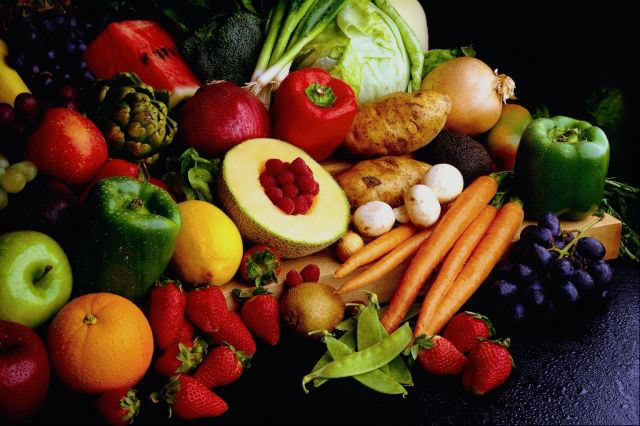
I started first with organic carrots and apples.
They didn't cost much more than the conventional produce I was purchasing and they tasted so much better!

Gradually over time, I added more organic foods, milk, potatoes, lettuce.
As my budget adjusted, I added more until the majority of my purchases are now organic or local.

Still, it's not always easy. Often I forgo something because I just can't afford to pay the organic price, and I won't feed my family the conventional version.

I know organic is healthier for us and the planet, but it's sometimes a delicate balance of the wallet, and like many, I'm doing the best I can...

Friday, October 15, 2010

Living Green 101


Often people think they have to go green all at once. I didn't and I'd venture to say that most go green gradually. It's a process. You start with one thing and then add another, and another.

Perhaps step one will be to flip out the light when you leave a room, turn off the water while you brush your teeth or replace a few incandescents with CFLs. Next you unplug energy hogs (like your TV) when not in use. I've purchased power strips for my elctronics and just flip them off when they're not being used.

I'd next encourage you to purchase an organic version of a food you're already buying. If you choose carrots or celery the cost difference is minimal.

Once you've done that, replace one or two regular cleaning products with non-toxic versions.

Before you know it, over time you'll have gone green and although some things may have cost you a bit more, others should have saved you some green.

Thursday, August 19, 2010

EPA bans aldicarb, toxic pesticide - better late than never


First registered in 1970 for use on cotton, Temik (also know as aldicarb) has been used on numerous crops including cotton, peanuts, potatoes, citrus crops, soy and sugarcane. Forty years later the FDA now says "aldicarb doesn't meet US food safety standards."

Thank you. But I wonder what took so long. Why? Because back in 1985, quite a few people became ill after ingesting watermelon that had been sprayed with aldicarb. Now 25 years later the EPA has decided to take action, but this will be slow too, because under the agreement with the EPA, the manufacturer Bayer CropScience won't stop manufacturing aldicarb until 2015! Although use on citrus and potatoes will end in 2011.

As always, it's buyer beware when it comes to choosing wisely for yourself and your family, especially for infants and toddlers. So what to do? Choose organic if you can. If that's not an option, buy local at your local Farmer's Market - it's the next best thing! And last but not least, refer to the Dirty Dozen list of foods that are most contaminated with pesticide residue. Also check out the Clean Fifteen list at the same link (scroll down).

Wednesday, July 14, 2010

Shopping GMO free

GMO, three little letters that truly frighten me.

They stand for Genetically Modified Organisms or more specifically, genetically modified food.

I've written before about the GMO process and I've recommended some books on the topic so that you can form your own opinion. For me, I've made up my mind that I DON"T want to feed GMOs to my family!

So just how does one avoid GMO foods. Well it's not all that easy unless you can buy everything organic, but there are steps you can take. First, whenever possible, shop local. That means shopping at your local farmers market. Not sure where to find one, visit the Consumer Supported Agriculture site.

If you can buy organic, always look for the USDA Organic label, that means it's "certified organic". If you can't buy organic, and lets face it, not everything is available as organic, the next best is to choose foods with "Non-GMO" labels. Also avoid most packaged foods which are loaded with GMO ingredients.

And last but surely not least, avoid the most common GMO foods, which are corn (including frozen and canned), soy, sugar beets (and sugar made from sugar beets), canola oil, cottonseed oil, and soybean oil. Obviously this means reading labels as many of these common GMO foods are in packaged ingredients, like those corn tortillas you bought for dinner.

Eating green, clean food takes a little effort, and yes, it does cost a bit more, but the flavor and aroma of organic and foods grown locally are so worth it!

Monday, June 14, 2010

Pesticides and your food


Unless you're living miles from civilization and eating your own home-grown foods, sadly we're exposed to way more pesticides than most of us realize.

The What’s On My Food website is a fabulous searchable database that has foods from Almonds to Winter Squash -- very informative and a bit Scary!

I hope you'll check it out!

Monday, November 30, 2009

Green Gifts for the Holidays...

Cyber Monday, the day many Americans go online to get the best online deals. So why not make them green as well?

For organic cotton clothes:
Gaiam Stylish natural fibers and save $20 off $100 through 12-21-09
Hanna Andersson Love their stuff... kids, babies Long lasting and washes great!
RecycleATee Certified organic cotton Tees - Wear, send back to Recycle and save 25% off your next Tee.

Just for baby:
Bath Time Certified organic diaper creme, baby wash, lotion and massage oil - parents will love the massage oil's soft lavendar scent!
Child Organics Cloth diapers, covers, and beautiful hand knits - specials till 12-5-09


For home:
Eco Clean When I give a set of bath towels, I always include a bottle of "green" laundry detergent to clean them.
Totally Bamboo Cutting boards, serving trays, bowls and plates - pair with kitchen towels and an Eco friendly dishwashing liquid.

Thursday, October 1, 2009

Being Green has gone to the dogs

These days when we're making healthier choices for ourselves and our family, I'm reminded that just about everything we can buy for our four legged members of the family can be organic or at least eco-friendly.

Looking for a new pet bed for our yellow lab I discovered I really have quite the choice. There are eco-friendly choices made with recycled/reclaimed materials, organic ones made with cotton, wool, hemp and even natural latex, and an array of styles, colors and patterns that made finding the right choice to fit our home, easier than I thought.

Prices run the scale from $20 to $200 so there's a bed for every pocketbook too! You can check out a nice selection at Pristine Planet.